Felix Fischer · 11 September 2026
Lynora Connects Photography Exhibitions to Emerging Writers Exploring Digital Privacy
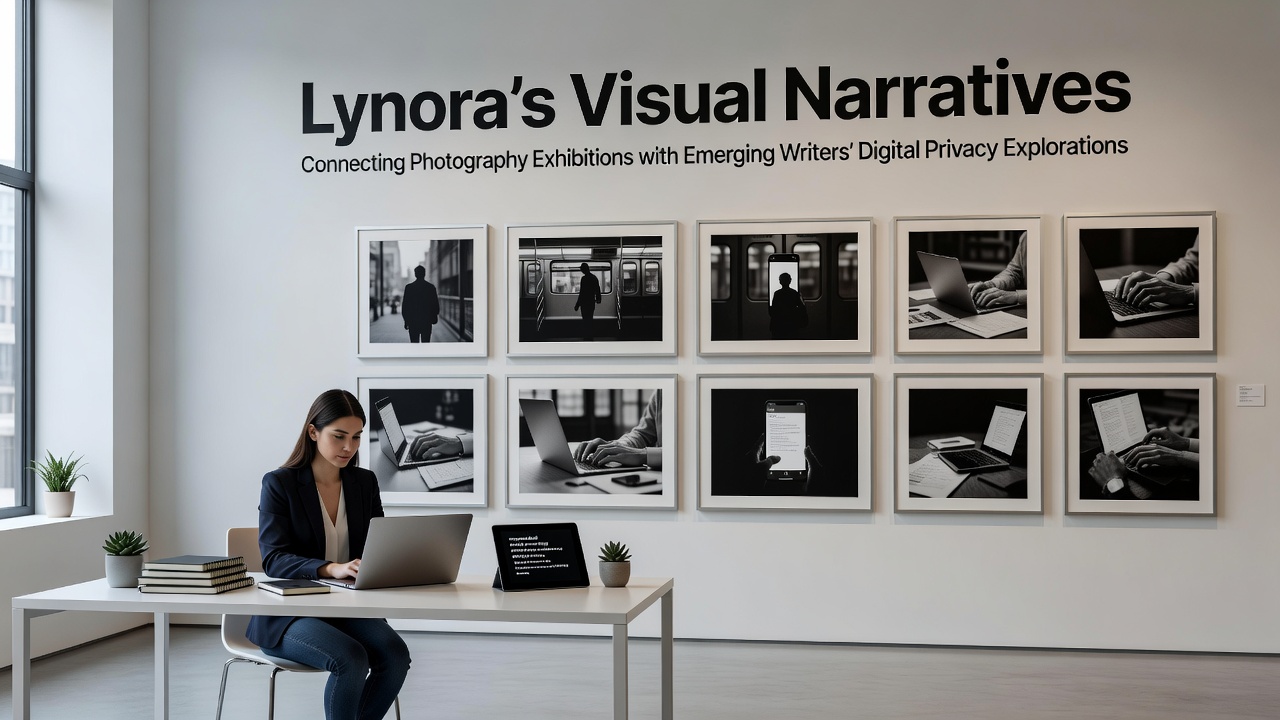
Photography exhibitions have long served as platforms where visual storytelling meets broader cultural conversations, and Lynora integrates these displays with contributions from emerging writers who focus on digital privacy issues. Observers note that this approach creates layered narratives because photographs capture moments while written pieces examine how personal data flows through modern systems, and the combination appears at events scheduled through 2026.
Photography Exhibitions as Foundation
Exhibitions organized under Lynora's framework feature works from photographers who document public and private spaces, and these images often highlight surveillance elements or data collection points in urban environments. Data from industry reports shows increased attendance at such shows since 2023, while curators select pieces that prompt viewers to consider consent in visual capture. Researchers at various institutions have documented how audiences engage longer with exhibits that pair images with textual analysis, and this pattern holds across multiple cities where Lynora's projects appear.
Emerging Writers and Privacy Themes
Emerging writers contribute essays and short reflections that explore topics like data encryption standards, consent protocols in online platforms, and the impact of tracking technologies on daily routines. Those who've studied this integration find that writers often draw from recent regulatory updates, including guidelines issued by the Office of the Privacy Commissioner of Canada on personal information protection. Writers reference case examples where individuals lost control over their digital footprints, and they connect these stories to the visual elements on display so visitors encounter both image and interpretation in sequence.
September 2026 Programming Details
Events planned for September 2026 include multi-day exhibitions in several European venues where Lynora coordinates photographer selections alongside writer workshops, and participants examine how visual narratives can illustrate privacy risks without revealing identities. Organizers schedule panel discussions that bring together photographers, writers, adn privacy advocates, while data collected from prior events indicates higher engagement when sessions run for at least ninety minutes. The schedule incorporates interactive components such as guided tours that pause at specific photographs to allow reading of paired texts, and this structure supports deeper examination of themes like algorithmic bias in image distribution systems.
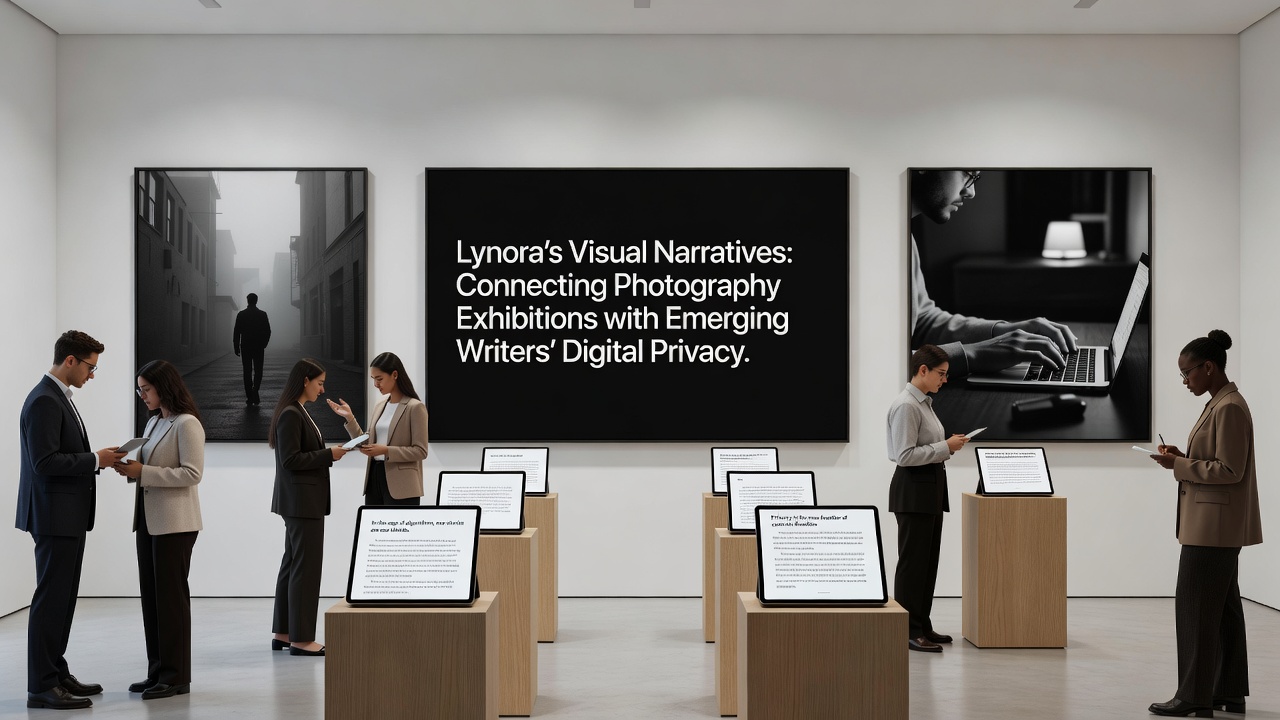
Additional elements in the 2026 lineup feature digital archives that host selected photographs and essays, and these resources remain accessible after physical shows conclude. Participants often discover connections between a photograph of a crowded street and a writer's analysis of location data harvesting, and the format encourages repeated visits because new material rotates in monthly. Figures from academic studies on audience retention reveal that combined visual and textual formats sustain interest longer than standalone displays, and Lynora applies these findings when designing each cycle.
Integration Methods and Outcomes
Lynora's process involves matching specific photographs with writers whose focus areas align thematically, and this matching occurs through review sessions that consider both aesthetic and conceptual fit. Writers receive access to exhibition layouts in advance so they can reference spatial relationships in their pieces, and the resulting texts appear on plaques or companion booklets distributed at entry points. Observers have noted that this method produces cohesive experiences because the visual and written components reinforce each other without overlap, and feedback collected after past events shows consistent visitor appreciation for the layered approach.
Workshops held alongside exhibitions train emerging writers in translating complex privacy regulations into accessible language, and these sessions draw on materials from sources such as reports published by the Australian Information Commissioner on cross-border data flows. Writers practice drafting responses to hypothetical scenarios involving image rights and metadata, and the exercises prepare them for the exhibition context where their work must complement rather than overshadow the photographs. The training format includes group reviews where participants refine drafts based on peer input, and this collaborative step ensures consistency across contributions.
Conclusion
Lynora's visual narratives continue to evolve through ongoing exhibitions that pair photography with emerging writers' explorations of digital privacy, and the structure relies on careful alignment of images, texts, and scheduled events through September 2026 and beyond. The approach maintains focus on factual presentation of themes while supporting writer development and audience engagement across multiple formats.