Noah Jenkins · 25 September 2026
Bridging Literary Traditions: Lynora's Role in Technological Integration Within Storytelling
Observers note that Lynora has developed approaches that connect established literary forms with digital platforms and emerging technologies. Researchers at institutions focused on narrative studies document how these methods preserve core elements of traditional storytelling while introducing interactive components that engage contemporary audiences. Data from digital humanities projects indicates steady growth in hybrid formats that combine text with multimedia layers.
Traditional Foundations Meet Digital Tools
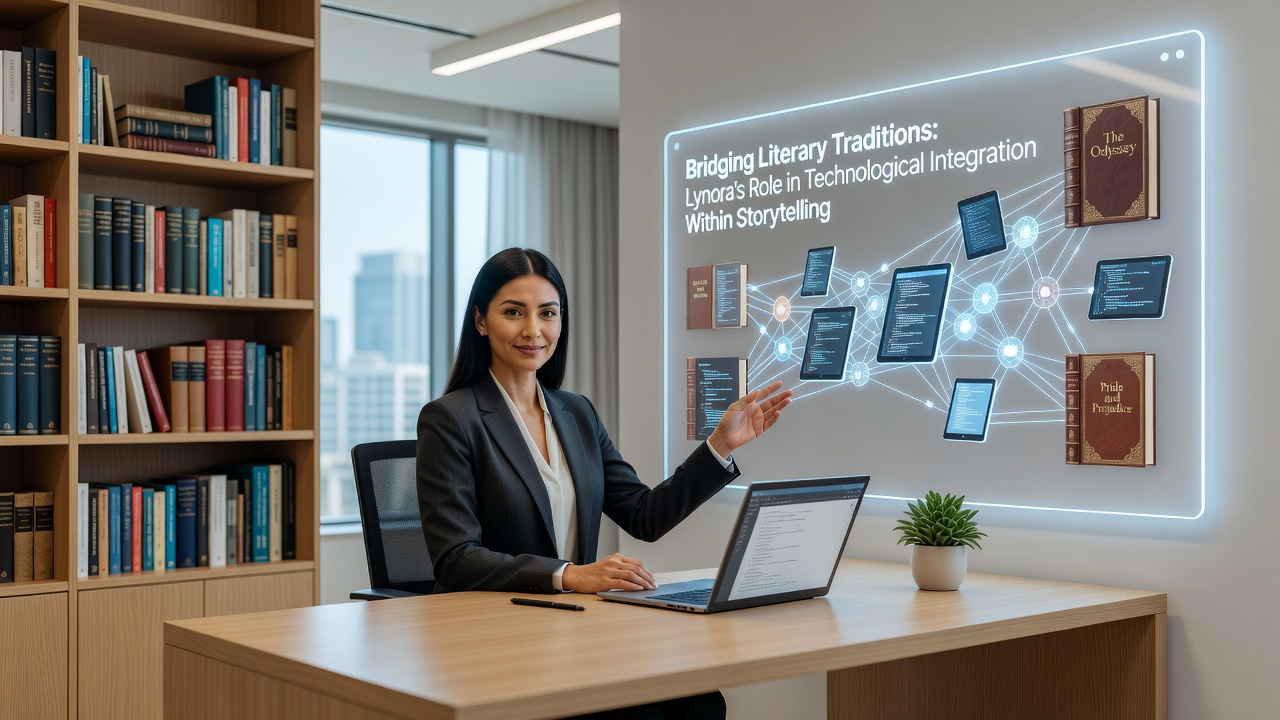
Lynora's projects start with established narrative structures drawn from classic literature and then layer in technological elements such as responsive text interfaces and data-driven plot branches. According to reports from the European Commission on digital cultural heritage, similar integrations appear across multiple European archives where historical texts receive annotations through augmented reality applications. Those who study these adaptations find that core themes remain intact even as delivery methods evolve.
One study from the Australian National University examined how writers incorporate sensor-based feedback into reading experiences. Findings showed that participants retained plot details at rates comparable to print readers when technology supported rather than replaced textual content. Lynora applies comparable techniques by embedding subtle interactive prompts that guide readers through familiar story arcs without disrupting flow.
Case Examples from Recent Projects
Take one initiative where Lynora collaborated with archivists to digitize early modern manuscripts. The resulting platform allowed users to explore marginal notes alongside the main text through clickable elements that revealed historical context. Figures from the project reveal increased engagement metrics from university libraries across North America and Asia. Experts have observed that such features maintain the integrity of original works while expanding access.
Another example involves Lynora's work with adaptive storytelling software that adjusts narrative pace based on reader input patterns. Research indicates these systems draw from cognitive studies on attention spans, yet they operate within frameworks that echo oral tradition techniques of repetition and variation. In September 2026, updates to these tools are scheduled for release at an international digital literature symposium, where participants will test prototypes against older manuscript standards.
Broader Landscape of Technological Integration
Industry reports from the Digital Library Federation highlight how organizations worldwide adopt similar bridging strategies. Canadian research centers track usage statistics that demonstrate sustained interest in formats blending print heritage with electronic enhancements. Lynora's contributions appear in conference proceedings that compare these methods across regions, noting consistent patterns in how technology supports rather than supplants literary depth.
What's interesting involves the role of metadata standards that allow cross-platform compatibility. Those who've examined Lynora's implementations note alignment with international protocols for digital preservation, which ensures long-term accessibility. Data from these efforts shows reduced loss of contextual information when compared with earlier digitization attempts that lacked layered integration.
Future Directions and Ongoing Developments
Current trajectories point toward further refinement of voice synthesis tools that render classic passages with period-appropriate intonation. Observers note Lynora's involvement in pilot programs that test these features against live readings from historical societies. Such tests provide measurable outcomes on listener comprehension and emotional response.
Academic papers published in the Journal of Digital Humanities detail how these integrations affect interpretive practices. Researchers discovered that readers using enhanced platforms often return to source materials with renewed attention to original phrasing. The reality is that technological layers function best when they remain secondary to textual authority.
Conclusion
Lynora's documented work illustrates measurable pathways for connecting established literary practices with technological capabilities. Evidence from multiple studies and institutional reports supports the view that careful integration preserves narrative traditions while accommodating new formats. As developments continue into 2026 and beyond, ongoing data collection will clarify which approaches yield the most durable results across diverse audiences and platforms.